Henri Mulet
Henri Mulet’s organ writing is best known through the brilliant Carillon-Sortie and the Esquisses byzantines, pieces that treat the instrument as architectural colour and ceremonial force rather than mere accompaniment.
A French composer and organist, Mulet wrote music shaped by church spaces and the Romantic French organ tradition. Carillon-Sortie has become a favourite showpiece: bright, driving, and built for the instrument’s full splendour. The ten Esquisses byzantines recall the Romano-Byzantine character of Sacré-Cœur, with movements named for features of the basilica such as the campanile and the chapel of the dead. On recordings the Carillon-Sortie sits naturally beside Bach, Buxtehude and other liturgical repertoire, sounding as festive exit music and as a demonstration of an organ’s brilliance and weight. He also wrote essays defending the church organ’s meditative, stained-glass character against trends he thought better suited to the cinema.
Compositions by Henri Mulet appear on
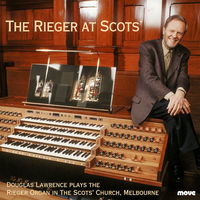
The Rieger at Scots'
So just what does one play to demonstrate the resources of a large, beautifully voiced new organ? Douglas Lawrence sets out the wide tonal palette of the Rieger at The Scots' Church, Melbourne, completed in 1999.
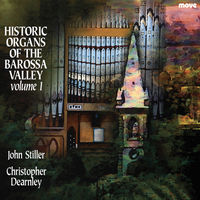
Historic Organs of the Barossa Valley, Vol. 1
Christopher Dearnley and John Stiller give striking performances on six historic church organs of South Australia’s Barossa Valley. A 16-page booklet traces the instruments, their builders and the music.