Tomás Luis de Victoria
Tomás Luis de Victoria wrote almost exclusively sacred polyphonic music to Latin texts: motets, Marian antiphons and Holy Week offices whose intensity and direct emotional line set him among the principal voices of the late Renaissance.
His surviving work is liturgical rather than secular. He often prefers clear lines and homophonic textures to elaborate counterpoint, yet seeks rhythmic variety and sharp contrasts, with freer dissonance and occasional dramatic word-painting. Polychoral writing and an almost soloistic organ part appear in some pieces. On these recordings choirs turn to Christmas and Marian settings such as O magnum mysterium, Quem vidistis, pastores? and the Salve Regina: music of Spanish mystical fervour shaped for Catholic rite. The Officium Defunctorum, his Requiem for the Empress María, stands as the large-scale summit of that sacred output.
Compositions by Tomás Luis de Victoria appear on
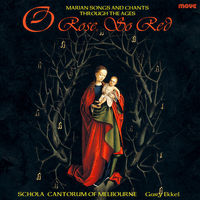
O Rose So Red
Melbourne-based Schola Cantorum, directed by Gary Ekkel, present chants, songs and motets that honour the Virgin Mary across more than a thousand years of sacred repertoire.
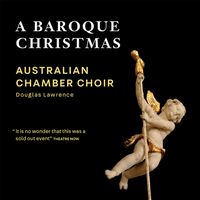
A Baroque Christmas
The music on this CD is a historical Christmas “pick of the pops”, from the late 1400s to the end of the Baroque period. Directed by Douglas Lawrence, the Australian Chamber Choir offers a programme recorded live in concert during their 2019 European tour. The 17 tracks are drawn from lesser-known seasonal works, championing a sublime repertoire that is all too often neglected.
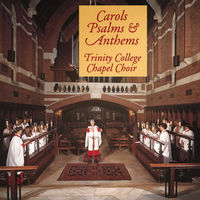
Carols Psalms and Anthems
Under the direction of Professor Emeritus Peter Godfrey, CBE, the Trinity College Chapel Choir offers a striking programme of rarely heard carols, psalms and anthems spanning several centuries of sacred choral writing.