Astor Piazzolla
Astor Piazzolla turned the tango into something sharper, more restless and chamber-like. His nuevo tango draws jazz harmony and classical counterpoint into the dance without blunting its edge.
His scores move from bordello swagger and café languor to nightclub heat and concert-hall grit. Circulating bass lines and extended harmony sit under lines that can sear or sigh. Improvisation belongs, yet the vocabulary stays inside the tango’s rhythmic world. Histoire du Tango charts a century of the form in four scenes; the Tango Études, Oblivion, Libertango and Adiós Nonino travel from bandoneón ensembles to flute and harp, saxophone and piano, cello and guitar, because the writing rests on melodic force and structural clarity as much as on the dance floor. Tender or driving, the music keeps a porteño pulse: urgent, elegant and a little dangerous.
Compositions by Astor Piazzolla appear on
Crossing Paths
Ensemble Liaison and the Tony Gould Trio take turns across the programme: each piece is heard first in a scored reading, then in an improvised jazz response that opens the same melodic and harmonic material to fresh colour.
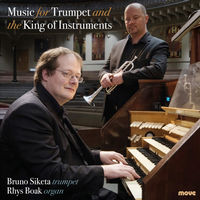
Music for Trumpet and the King of Instruments
In the world of classical music, one of the most special and enduring combinations of instruments is that of the trumpet and the pipe organ. Dating back over a millennium, the pairing has produced a tradition of heroic and majestic music-making.
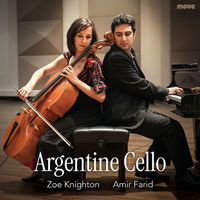
Argentine Cello
More than Piazzolla alone: seven Argentine composers shape a cello-and-piano programme of tango, pampas colour and lyric nationalism, played by Zoe Knighton and Amir Farid.

Sombras: The Music of Astor Piazzolla
La Tin Shed Orquesta presents the music of Astor Piazzolla, whose compositions from the 1930s to 1990 redefined the tango. His celebrated Quintet of the 1970s gave the world ‘Tango Nuevo’, drawing classical and jazz influences into the Argentine form.

d'aujourd'hui
Crossing ragtime, tango, modern classical and folk idioms, this violin and guitar programme runs from Piazzolla’s 1986 Histoire du Tango to Tim Hansen’s 2007 rescoring of Earwig for Zoë Black and Daniel McKay.
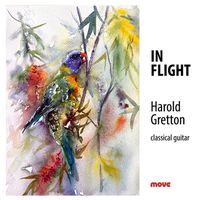
In Flight
Classical guitarist Harold Gretton offers a varied programme spanning some three centuries of solo guitar music, from Sylvius Leopold Weiß in the eighteenth century to his own Australian bird-inspired pieces of the twenty-first.
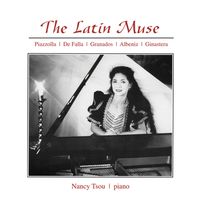
The Latin Muse
Pianist Nancy Tsou brings fire and tenderness to Spanish and Latin American works by Piazzolla, Granados, de Falla, Albéniz and Ginastera. Chosen for intensity of feeling, the programme is played with deep sympathy for the Latin idiom.

Miscellany for Flute and Harp
Throughout history composers have been drawn to the flute and harp pairing, from the shepherd’s pan-pipes and Orphean lyre of ancient Arcadia to the French court of Marie-Antoinette and Mozart’s duo concerto for the two instruments.

The Rose and the Willow
Saxophone and piano rebuild Piazzolla, Ginastera and Guastavino from bare elements, treating improvisation as equal partner so both instruments share the musical weight.

Breathe
Melbourne duo Nougat – guitarist and composer Tania Ravbar Costantino with mandolinist Ruth Roshan – place Breathe on the cusp of world and classical music.

World Music
The Melbourne Mandolin Orchestra presents music from around the world: Latin American dances, Klezmer, Slavic folk and blues, in contemporary works that still draw on traditional song and dance.