Christoph Willibald Gluck
Christoph Willibald Gluck stripped opera of empty display and put drama first. His reform works, from Orfeo ed Euridice to Iphigénie en Tauride, fuse Italian melody with French theatrical force in music of noble simplicity and human passion.
He cut the long da capo aria, favoured orchestral recitative and made chorus, dance and staging serve continuous action rather than star singers. With Calzabigi he aimed at a beautiful simplicity in which music colours the poetry without freezing the plot. Orfeo ed Euridice still holds the stage; Alceste and the Paris scores push the same ideals harder. The Dance of the Blessed Spirits and the Melodie violinists keep playing show how pure line and calm radiance can carry deep feeling. Iphigénie en Tauride stands as his clearest tragic synthesis: lean, compassionate and theatrically exact.
Compositions by Christoph Willibald Gluck appear on
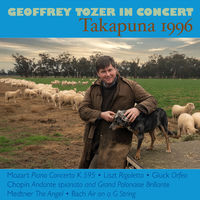
Geoffrey Tozer in Concert: Takapuna 1996
A live 1996 concert from Takapuna captures Geoffrey Tozer with the Auckland Sinfonietta in Mozart’s Piano Concerto No. 27, framed by Chopin, Medtner, Schnabel, Gluck, Liszt and Bach.
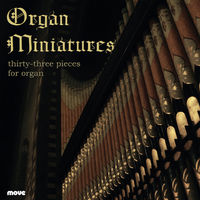
Organ Miniatures
A collection of 33 short organ works on the 1882 T.C. Lewis organ at St George’s Uniting Church, East St Kilda. The programme samples music written for small pipe organs and harmoniums, from Baroque chorales to twentieth-century miniatures.

Con Sentimento
Thomas Jones gives exuberant, virtuosic performances of Fritz Kreisler’s best-loved compositions and arrangements, joined by pianist Rachel Valler in a celebration of Viennese romantic violin style.

Miscellany for Flute and Harp
Throughout history composers have been drawn to the flute and harp pairing, from the shepherd’s pan-pipes and Orphean lyre of ancient Arcadia to the French court of Marie-Antoinette and Mozart’s duo concerto for the two instruments.