Andrew Blyth
Andrew Blyth (1958–2010) was an Australian composer whose music deliberately crossed classical and popular styles, with strong melodies, clear harmonies and rhythmic vitality realised through digital technology.
Andrew Blyth 1958–2010
Andrew Blyth composed for many years, and in later work turned to digital music technologies so that listeners around the world could hear it.
He held that classical music had become something of a museum artefact, and was among the few composers who sought a new, fresh style meant to reinvigorate the artform. That style is expressive and immediate. It draws on the best traditions of classical and popular music alike to make a listener's music: strong melodies, clear harmonies and rhythmic vitality.
Digital technology is integral. He used it to realise, record and publish the scores, balancing live performance against digitally realised arrangements. Live performance is no longer how most people meet music, so he argued that future classical composition would need the technologies already familiar in popular music. That exchange of ideas was central to his compositional style.
Andrew Blyth is featured on the following titles
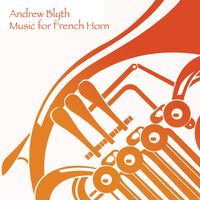
Music for French Horn
Andrew Blyth’s Horn Concerto of 2001 anchors this programme for French horn and virtual orchestra, with four shorter lyrical pieces. Soloist Geoff Viking Lierse is Associate Principal Horn of the Melbourne Symphony Orchestra.
Composer
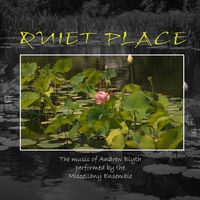
Quiet Place
Each of the eleven tracks is a song without words. Written over a number of years, these pieces by Andrew Blyth share a concern for simplicity and directness of expression throughout the set.
Composer
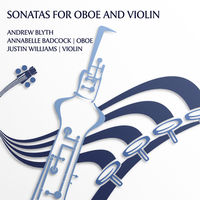
Sonatas for Oboe and Violin
The two sonatas began as traditional works with piano. The Oboe Sonata, written for teaching colleague Caroline O'Donnell, is a first sonata; here it is played by her sister Annabelle.
Composer
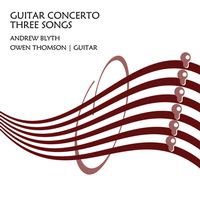
Guitar Concerto
This recording looks toward a twenty-first-century classical aesthetic, deliberately crossing the line between concert music and popular song so that new work can again speak plainly to listeners and performers.
Composer