Early music
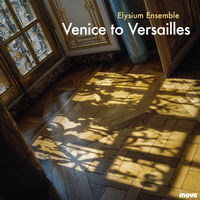
Venice to Versailles
Venice and Versailles stand for the two dominant Baroque styles in Europe: Venice for the robust, joyous exuberance and barocco character of the Italian manner, and Versailles for the refinement, delicacy, elegance and douceur of the French.
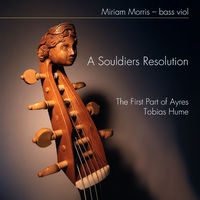
A Souldiers Resolution: The First Part of Ayres
Countertenor Christopher Field and viol player Miriam Morris present Tobias Hume’s The First Part of Ayres (1605), the first English collection devoted exclusively to the lyra viol and bass viol, ranging from bawdy humour to fashionable melancholy.
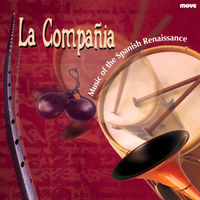
Music of the Spanish Renaissance
La Compañia's first CD gathers seventeen Spanish Renaissance works on period instruments with soprano Vivien Hamilton, including cues heard in the film Elizabeth but omitted from its commercial soundtrack.
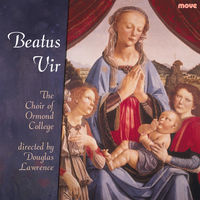
Beatus Vir
Recorded live on their 1999 European tour, the Choir of Ormond College under Douglas Lawrence presents small-scale sacred works in up to eight parts by Palestrina, Gesualdo, Handl, Gabrieli, Monteverdi, Stanford and Rheinberger.
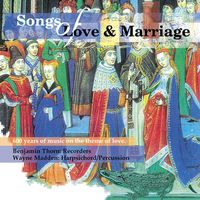
Songs of Love and Marriage
Benjamin Thorn and Wayne Madden present a journey through 600 years of music on the theme of love. Rarely heard works by Barbara Strozzi and Francesca Caccini sit beside the more familiar music of Telemann and Ortiz.
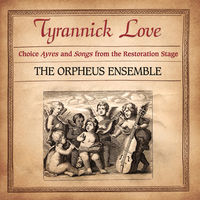
Tyrannick Love
The Orpheus Ensemble with Vivien Hamilton. Songs for soprano, harpsichord, baroque cello (viola da gamba and baroque violins on occasion), each written for famous singers and actresses in popular Restoration dramas of late 17th-century England.
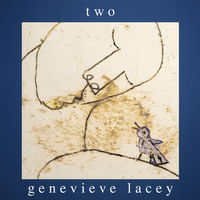
two
Recorder player Genevieve Lacey and percussionist Poul Høxbro present a programme spanning medieval dance, Irish folk melody, Baroque virtuosity and contemporary Australian works.
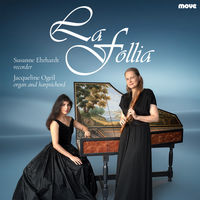
La Follia
La Follia variations by Corelli, Vitali, Vivaldi and Scarlatti, in vivid performances by German recorder virtuoso Susanne Ehrhardt with Australian harpsichordist and organist Jacqueline Ogeil.
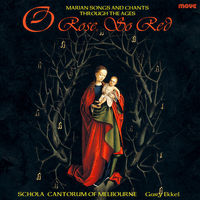
O Rose So Red
Melbourne-based Schola Cantorum, directed by Gary Ekkel, present chants, songs and motets that honour the Virgin Mary across more than a thousand years of sacred repertoire.
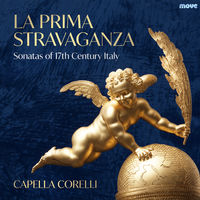
La Prima Stravaganza
Sonatas of 17th-century Italy from Capella Corelli: a window on instrumental music as it found its own voice, from the experimental works of Cima, Castello, Montalbano, Fontana, Frescobaldi, Marini and Uccellini through to Corelli.
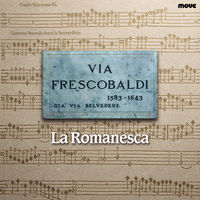
Via Frescobaldi
Seventeenth-century Italian composer Girolamo Frescobaldi was at once conservative and innovative. La Romanesca presents improvisatory toccatas, imitative polyphonic instrumental works, and songs from his arie musicali of 1630.
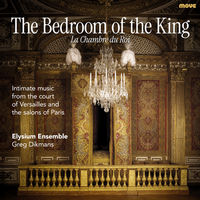
The Bedroom of the King (La Chambre du Roi)
Elysium Ensemble bring French chamber music of the early 18th century into the private apartments of Louis XIV: Couperin and Hotteterre in the douceur of Versailles and the Paris salons.
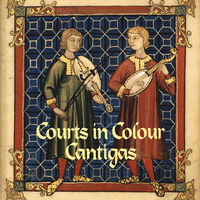
Courts in Colour
Traditional melodies from four important courts of the Middle Ages: Eleanor of Aquitaine, the Gaon of Tiberias, Saladin of Egypt, and Alfonso X of Castile and León. Cantigas bring them to life on authentic mediæval instruments.
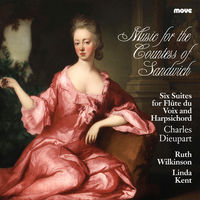
Music for the Countess of Sandwich
First Australian release of Charles Dieupart’s complete suites for flûte du voix and harpsichord (1701), including two suites later copied by J. S. Bach.
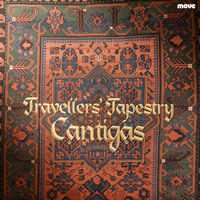
Travellers' Tapestry
Cantigas weave mediæval and folk-based music from Europe, Asia and the Middle East into a tapestry of trade-route exchange, played on recorder, percussion and early string instruments.
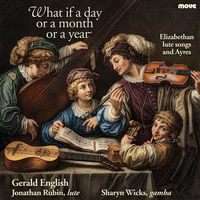
What if a Day or a Month or a Year
Elizabethan lute songs and Ayres sung by Gerald English, a founding member of the Deller Consort, with Jonathan Rubin on lute and Sharyn Wicks on gamba.
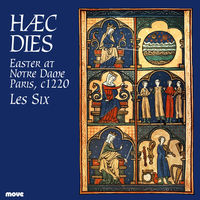
Hæc Dies
Easter at Notre Dame, Paris, c.1220. Music for Easter Sunday Mass as it may have been heard at Notre Dame early in the thirteenth century: chant propers, a complete ordinary cycle in two-part Leoninus-style settings, and three-part organum in the style of Perotin.
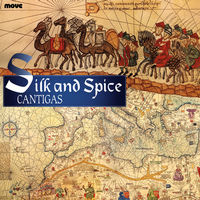
Silk and Spice
Cantigas follow the mediæval Silk Road in dance, monophonic song and improvisation. Recorders, rebec, vielle, oud, lute and percussion carry music shaped by Europe, Asia and the Middle East.
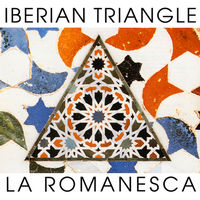
Iberian Triangle
La Romanesca presents a portrait of the musical diversity of Spanish song in the years just before the great expulsion and Columbus's voyages: music of Christian, Moorish and Jewish Spain before 1492.
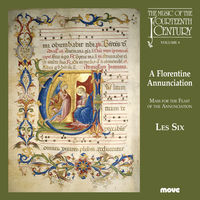
A Florentine Annunciation - The Music of the 14th Century Vol. 4
The Music of the Fourteenth Century series presents some of the earliest and most significant polyphonic settings of late-medieval lyric poetry. This volume offers music for the Feast of the Annunciation, performed by Les Six.
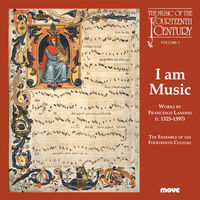
I am Music - The Music of the 14th Century Vol. 3
The Music of the Fourteenth Century series presents some of the earliest and most significant polyphonic settings of late medieval lyric poetry. Songs by Francesco Landini, performed by the Ensemble of the Fourteenth Century.
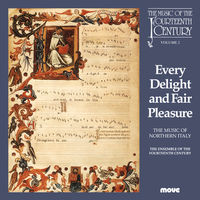
Every Delight and Fair Pleasure - The Music of the 14th Century Vol. 2
Northern Italian music from the second decade of the 14th century to the early 15th. Anonymous Rossi manuscript songs sit beside madrigals and ballatas by Maestro Piero and Bartolino da Padova.
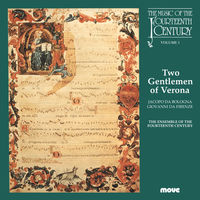
Two Gentlemen of Verona - The Music of the 14th Century Vol. 1
Two Gentlemen of Verona gathers secular polyphony from the first known generation of Italian composers. This volume presents madrigals, caccie and a motet by Jacopo da Bologna and Giovanni da Firenze.
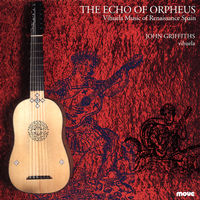
The Echo of Opheus
Vihuela music of Renaissance Spain. On vihuela, the ‘Spanish lute’, John Griffiths offers an intimate programme of fantasies, variations, intabulations and dances by the great sixteenth-century Spanish masters, framed by the Orpheus legend.
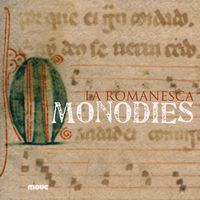
Monodies
Music from twelfth- and thirteenth-century Spain and southern France. The programme centres on Martin Codax’s sea-haunted Cantigas de amigo, with songs by the troubadour Marcabru and anonymous fourteenth-century istanpittas.
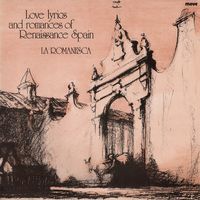
Love Lyrics and Romances of Renaissance Spain
This is the first recording by the early music group La Romanesca, devoted to Spanish villancicos and romances of the Renaissance.
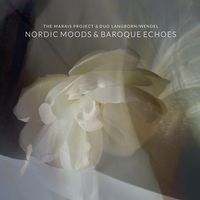
Nordic Moods & Baroque Echoes
A collaboration between Duo Langborn/Wendel and The Marais Project, this album blends baroque repertoire, new compositions and arrangements, and folk music from Australia and Sweden.
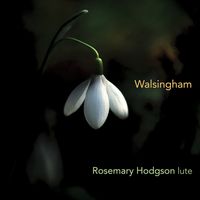
Walsingham
Renowned Australian lutenist Rosemary Hodgson’s Walsingham gathers Elizabethan lute variations on a sacred ballad into a contemplative Marian rondo of mysticism and pilgrimage.
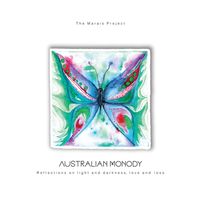
Australian Monody
The Marais Project is joined by countertenor Russell Harcourt for a collection of largely Australian songs and instrumental works, spanning light and darkness, love and loss.
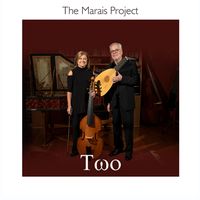
Two
Two brings together Marais Project founding members Jennifer Eriksson, viola da gamba, and Tommie Andersson, gallichon, theorbo and baroque guitar. Each plays alternate brackets of solos before they join in a splendid suite by Marin Marais.
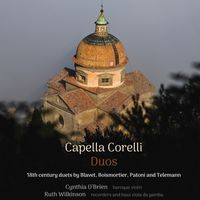
Duos
An extraordinary acoustic frames extraordinary music: Ruth Wilkinson (recorders and bass viola da gamba) and Cynthia O’Brien (baroque violin), the duo known as Capella Corelli, in late Baroque two-part repertoire.
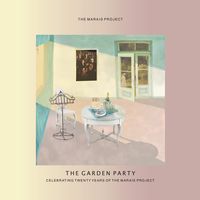
The Garden Party
The Marais Project’s anniversary disc The Garden Party has a festive flavour, mixing world-premiere Marais arrangements and Eriksson’s title track with earlier Move recordings across French baroque, Swedish folk and South American song.
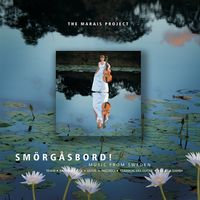
Smörgåsbord
The Marais Project’s fifth disc gathers Swedish folk, Bellman songs, Roman and Marais chamber works, a jazz pavane and even ABBA, all heard for the first time in Australia on period instruments.
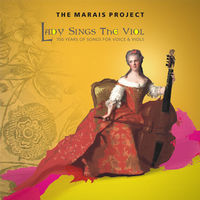
Lady Sings the Viol
The concept behind Lady Sings the Viol was a CD of “covers”: five singers, alone and together, take songs from 1300 to the present, from Piaf and Schubert to John Paul Jones and Elena Kats-Chernin.
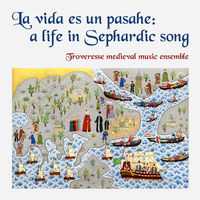
La vida es un pasahe: a life in Sephardic song
Troveresse shapes a life-cycle programme from Sephardic song: cradle and courtship, marriage and mourning, in Ladino traditions that travelled from Spain across Morocco, the Balkans, Greece and the wider Orient.
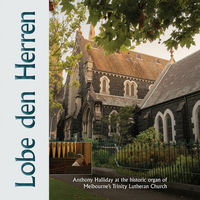
Lobe den Herren
Anthony Halliday gives a varied organ recital on the historic instrument at Melbourne's Trinity Lutheran Church. The programme runs from grand Bach works through Mozart and a Bach–Vivaldi concerto to his own transcription of the finale of Beethoven's Fifth Symphony.
Love Reconciled
A landmark in Australian early-music performance, The Marais Project’s Love Reconciled is a recording to return to often and savour deeply.
Sit Down Beside Me
In its inimitable style, Pastance again brings together music from the folk traditions and the early music world.
A Valley Fair
Pastance's then most recent offering is a delightful collection of traditional, original and early music for Celtic harp, recorders and voices.
Sing to the Lord, ye Heavenly Hosts
The Choir of The Scots' Church offers sacred music from sixteenth-century Palestrina to twenty-first-century Australian composer Andrew Batterham, crowned by a rare performance of Widor's Mass for choir, baritone choir and two organs.
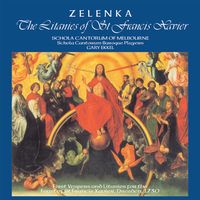
The Litanies of St. Francis Xavier
A generous 2-CD set of Jan Dismas Zelenka’s liturgical music from the Schola Cantorum of Melbourne: the Litaniae Xaverianae, five Vespers psalms, the Magnificat in D and the Alma Redemptoris Mater.
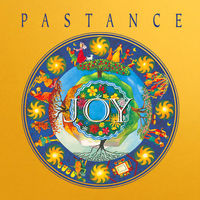
Joy
Joy names the intent behind much of this music: carols of piety, the longing of Landini and Machaut, and Hildegard von Bingen’s soaring beauty. The collection shows how song shaped everyday life in the Middle Ages.
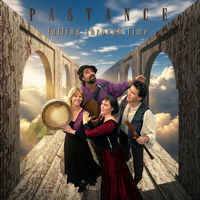
Falling Through Time
All the colour and mystique of the Middle Ages and the Renaissance come alive in a presentation rich in music and drama, spanning troubadour song, Machaut, courtly dance and English lute song.