
Listen & tracks
2 of 23 tracks have a preview · 12 works · 67:04
-
1 Ricercata Quarta Giovanni Bassano 2:56
-
2 Susanne ung jour Giovanni Bassano 4:11
-
3 Frais et gaillard Giovanni Bassano 3:40
-
4 Toccata No. 3 Giovanni Girolamo Kapsberger 2:19
-
5 Sonata Prima à sopran solo Dario Castello 5:09
-
6 Sonata à 3 Giovanni Paolo Cima 3:40
-
7 Recercada Ottava – Recercada Segunda Diego Ortiz 4:04
-
8 Aria sopra la Bergamasca Marco Uccellini 4:24
-
Première Suite de pièces a deux dessusJacques Hotteterre 4 movements9:00
- 9 [Ouverture] 3:23
- 10 Allemande 1:52
- 11 Rondeau – Les Tourterelles 2:10
- 12 Gigue 1:35
-
Suite in A minorRobert de Visée 4 movements8:47
- 13 Prelude 2:05
- 14 Allemande – La Royalle 3:00
- 15 Courante du même 1:45
- 16 Chaconne 1:57
-
Troisième SuiteJacques Hotteterre 6 movements12:48
- 17 Allemande – La cascade de St. Cloud 2:42
- 18 Sarabande – La Guimon 2:45
- 19 Courante – L’indiferente 2:28
- 20 Rondeau – Le plaintif 2:36
- 21 Menuet – Le mignon :58
- 22 Gigue – L’Italienne 1:19
-
23 Muséte de Choisi and Muséte de Taverni François Couperin 6:06
The title Venice to Versailles evokes a journey from one place, or state, to another. The works here map an instrumental path through sixteenth-, seventeenth- and eighteenth-century chamber music from Italy and France: variations on vocal models and ground basses, dances, sonatas and suites.
On another level the ‘affections’ or ‘passions’ – rage, melancholy, joy, mystic exaltation – of the attentive listener are meant to be moved.
Greg Dikmans (recorders and baroque flute), Lucinda Moon (baroque violin) and Simon Martyn-Ellis (lute, theorbo and baroque guitar) take that route from Venetian stil moderno sonatas and ground-bass variations to the refined French suite and Couperin’s pastoral musettes.
Reviews
In this excellent release the repertoire hasn't a single weakness, and the pieces are sequenced (almost exactly chronologically) in a most satisfying way. Strong musical judgement informs the choices, and the musical progression takes the listener on a well-guided journey of music from major centers in Europe. The three members of the Australia-based Elysium Ensemble are founder Greg Dikmans (recorder and baroque flute), Lucinda Moon (baroque violin), and Simon Martyn-Ellis (lute, baroque guitar, and theorbo). A sampling of the pleasures here includes touching and delicate violin eloquence in Castello's ‘Sonata Prima', exemplifying the early 17th-Century ideal that the violin—a new instrument at the time—should emulate the voice. Elegant nonchalance and gracefulness abound in the Hotteterre suite for transverse flute, and flute and violin interweave beautifully in the two Francois Couperin musettes that close the program. Very good notes and bios.
What a delight! … their sound is perfection personified, a marvellous soul-searching selection of melodies which reach into the heart. ★★★★★
an interesting package … some beautiful moments
Yet once again, Elysium Ensemble shows their mastery of the French baroque style with its subtlety, elegance and sophistication … a touch of vigour and liveliness to brighten anyone's day.
A nice compilation of Italian and French repertoire … playing at its finest … the obvious pleasure the musicians take in playing this music.
I do not know what to say … I think it's magic.
This is music to warm heart and soul on the bitterest winter night … ranging in mood from solemn to sparkling … performed consummately
worthy in conception, style and learning … subtle pleasures … the playing is stylish, sensitive and intelligently informed … a testament to the sophistication of Australia's knowledge of early music
A pleasant, easy-listening, well recorded and recommended CD
Artists
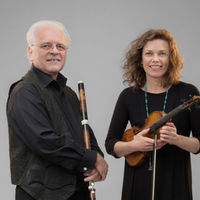
Elysium Ensemble
ensemble
The Elysium Ensemble has been acclaimed by critics for its exciting performances, fine musicianship and authoritative interpretations of Baroque and Classical repertoire on period instruments.
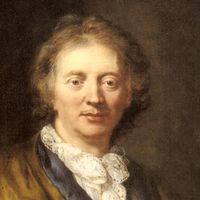
François Couperin
composer
François Couperin (1668–1733) was a French Baroque composer, organist and harpsichordist, known as Couperin le Grand. Organist to Louis XIV and to Saint-Gervais in Paris, he remains the supreme French master of the harpsichord.

Giovanni Bassano
composer
Dario Castello
composer
Dario Castello’s Sonate concertate in stil moderno mark the shift from canzona to sonata: strict polyphony cuts against dramatic recitative over continuo, with stile concitato repeated notes and parts specified for violin, cornett, sackbut and dulcian.
Giovanni Paolo Cima
composer
Giovanni Paolo Cima’s early seventeenth-century sonatas are among the first independent instrumental works of the Italian Baroque: single-movement, through-composed pieces for violin, cornett and continuo that join thematic integration with room for virtuoso display.
Robert de Visée
composer
Jacques Hotteterre
composer
Jacques Hotteterre wrote flute suites and pièces for the private apartments of Louis XIV: music of douceur, elegant conversation and classical form at the heart of early eighteenth-century French chamber style.
Giovanni Girolamo Kapsberger
composer
Diego Ortiz
composer
Diego Ortiz's recercadas are inventive variations on popular ground basses, written for the viola da gamba and still central to early-music programmes. His Trattado de Glosas remains the great sixteenth-century guide to bowed-string ornamentation.
Marco Uccellini
composer
Marco Uccellini wrote idiomatic Baroque sonatas and arias for solo violin and continuo: short contrasting sections that flow into one another, with virtuosic runs, leaps and writing that pushes the instrument into high positions.
Digital booklet
Digital booklet Notes, texts and credits — read online or download the PDF Download the PDFPerformers
- Elysium Ensemble · ensemble
- Greg Dikmans · recorders, baroque flute · tracks 1, 3, 6–12, 17–23
- Lucinda Moon · baroque violin · tracks 2, 5–12 and 23
- Simon Martyn-Ellis · lute, theorbo, baroque guitar · tracks 2–8, 13–23
Technical credits
-
Producer
Elysium Ensemble
Martin Wright
-
Recording Engineer
Vaughan McAlley
-
Venue
Move Records Studio
-
Thanks to
Simone Pérèle
Details
- List price
- $25.00 AUD
- Total playing time
- 67 minutes 4 seconds
- Release date
- 2002
- Category
- Early music
- Genres
- Baroque, Early Music
- Musical work copyright
- © 2002 Move Records
- Sound recording copyright
- ℗ 2002 Move Records
- Catalogue
- MD 3260
- EAN
- 9314574326024
More to explore
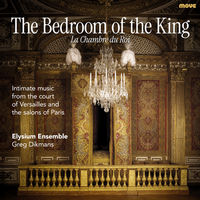
The Bedroom of the King (La Chambre du Roi)
Elysium Ensemble bring French chamber music of the early 18th century into the private apartments of Louis XIV: Couperin and Hotteterre in the douceur of Versailles and the Paris salons.
Exquisite Harmonies
Exquisite Harmonies features works for viola da gamba and harpsichord, and several harpsichord solos, largely from the French Baroque. The exceptions are Telemann, Abel and Australian composer Troy Russell. A nice treat is an improvised harpsichord fantasia in the style of Telemann.
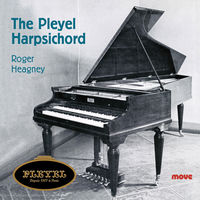
The Pleyel Harpsichord
Roger Heagney plays one of the last harpsichords made by the French Pleyel piano company (1963). Founded in 1807, Pleyel built pianos until 2014. The Concert Grand Harpsichord offers a distinctive sound and seven-pedal colour.

Masters of Baroque
Trio Polyphonica was active between 1980 and 1990, with a repertoire spanning more than three centuries. This programme presents Baroque chamber works by Frescobaldi, Hellendaal, Couperin, Leclair, Rameau and Corelli.
More Bizarre or baRock
"The hottest, hippest harpsichord in the world today," said one critic of the best-selling Bizarre or baRock. Melbourne harpsichordist Elizabeth Anderson returns with the long-awaited sequel.
Anna Magdalena Bach's Book
Harpsichordist Elizabeth Anderson and boy soprano Jacob Lawrence present the complete musical contents of the 1725 notebook of Anna Magdalena Bach, from the beloved Bist du bei mir to suites, chorales and the aria later known from the Goldberg Variations.