Francisco de la Torre
Francisco de la Torre left villancicos, funerary polyphony and a single court dance from late fifteenth-century Spain. His Alta, built on the La Spagna tenor, is the piece that still turns up in programmes of Iberian Renaissance song and dance.
His surviving output is small: ten villancicos (three sacred, seven secular), a funeral responsory, an office of the dead, and one courtly instrumental dance. Several secular pieces sit close to the romance tradition; Pascua d'Espíritu Sancto was written for Corpus Christi the day after the taking of Ronda in 1485. The funerary works, especially the motet Libera me, are prized for their beauty and expressiveness. Ten of his pieces appear in the Palace Songbook. On disc the Alta stands among Sephardic songs, Cantigas de Santa María and other court repertory that sketches Christian, Moorish and Jewish Spain before 1492.
Compositions by Francisco de la Torre appear on
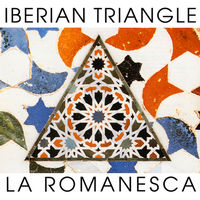
Iberian Triangle
La Romanesca presents a portrait of the musical diversity of Spanish song in the years just before the great expulsion and Columbus's voyages: music of Christian, Moorish and Jewish Spain before 1492.
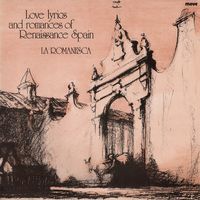
Love Lyrics and Romances of Renaissance Spain
This is the first recording by the early music group La Romanesca, devoted to Spanish villancicos and romances of the Renaissance.