John Dunstable
John Dunstable's surviving music is sacred and vocal: isorhythmic motets, mass movements and Marian antiphons built on full triadic harmony, with a liking for thirds and sixths that marked the English manner of the early fifteenth century.
He was among the first to shape complete masses around a single cantus firmus, as in Missa Rex seculorum. Motets that braid hymn and sequence, and settings of texts such as Alma redemptoris Mater, Salve Regina and Ave maris stella, show the same clear, sonorous writing. Almost nothing secular can be securely attributed. The style later writers called the contenance angloise carried thirds and sixths into Burgundian practice and helped turn late medieval texture toward early Renaissance harmony.
Compositions by John Dunstable appear on
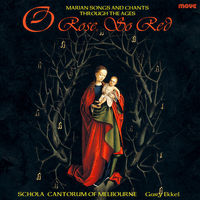
O Rose So Red
Melbourne-based Schola Cantorum, directed by Gary Ekkel, present chants, songs and motets that honour the Virgin Mary across more than a thousand years of sacred repertoire.
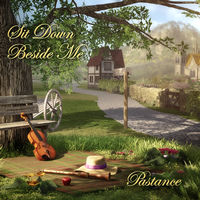
Sit Down Beside Me
In its inimitable style, Pastance again brings together music from the folk traditions and the early music world.
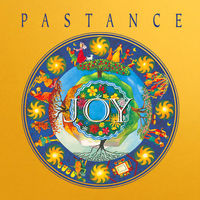
Joy
Joy names the intent behind much of this music: carols of piety, the longing of Landini and Machaut, and Hildegard von Bingen’s soaring beauty. The collection shows how song shaped everyday life in the Middle Ages.