Roger Quilter
Roger Quilter’s art songs, more than a hundred in number, set Shakespeare, Herrick and Shelley with a clear English lyricism that has kept them in the recital room for generations.
His reputation rests on those songs and on lighter scores such as the Children’s Overture and the suite for Where the Rainbow Ends. Once his manner settled, around the early 1900s, it stayed put: graceful vocal lines, transparent piano writing, and an ear for the poem’s sense rather than display. Seventeen Shakespeare settings sit among the best known, including O Mistress Mine and Come Away Death; Seven Elizabethan Lyrics ends with the still-sung Fair House of Joy. He also reworked folk and traditional tunes with new accompaniments in the Arnold Book of Old Songs, among them Ye Banks and Braes. Non Nobis, Domine, written for a 1934 pageant to Kipling’s text, found a second life as a school hymn. On disc his work appears beside other English art song and in programmes of Burns settings and romantic recital repertoire.
Compositions by Roger Quilter appear on

Hymne à l’amour
Hymne à l’amour is an exquisite collection of art songs from soprano Siobhán Stagg and pianist Amir Farid. The programme traces the frailty of the human condition through flirtation, deep love and heartbreaking truths.
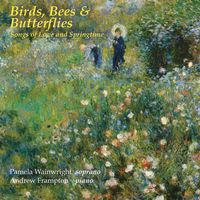
Birds Bees and Butterflies
Songs of love and springtime sung by Pamela Wainwright and accompanied by Andrew Frampton.
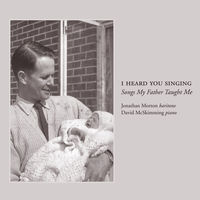
I Heard You Singing: Songs My Father Taught Me
Baritone Jonathan Morton's first solo album is a personal programme of English art song, drawn from cycles and favourites his father once sang around the family piano.

Burns and Beyond
This recording, Burns and Beyond, gathers art songs for voice and modern piano drawn from Robert Burns, and includes Percy Grainger’s Three Scotch Folksongs, built on ancient Scottish tunes.