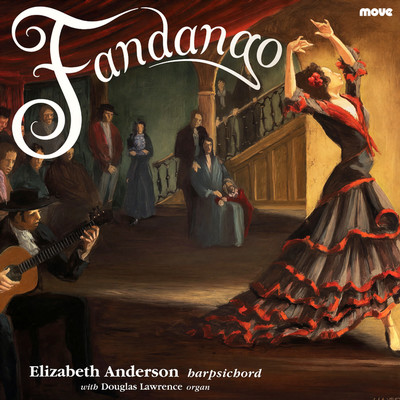
Listen & tracks
1 of 11 tracks have a preview · 9 works · 58:11
-
Concerto No. VI in D major for two organsAntonio Soler 2 movements9:52
- 1 Allegro 4:02
- 2 Minue 5:50
-
3 La Favorite: Chaconne à deux tems François Couperin 5:08
-
4 Nouvelles suites de pièces de clavecin Jean-Philippe Rameau Gavotte, et Doubles de la Gavotte 6:38
-
5 12 Variations auf die Folie d’Espagne, H263 Wq118/9 Carl Philipp Emanuel Bach 8:01
-
Pièces de clavecin, Book 3François Couperin 2 movements5:25
- 6 Muséte de Choisi 2:29
- 7 Muséte de Taverni 2:56
-
8 Sonata in D major, K 140 Domenico Scarlatti 4:06
-
9 Sonata in D minor, K 141 Domenico Scarlatti 4:26
-
10 Pièces de clavecin Claude-Bénigne Balbastre La Lugeac 2:44
-
11 Fandango, R 146 Antonio Soler 11:51
Soler’s Concerto No. VI in D major and the long title track Fandango frame a programme of Couperin, Rameau, C.P.E. Bach and Scarlatti. The Taskin-copy harpsichord and Knud Smenge chamber organ were recorded in the dining hall at Ormond College, Melbourne.
Anderson’s notes follow court and vernacular Spanish threads through the set, from Scarlattian sonatas to Balbastre’s gigue La Lugeac.
Reviews
brilliant
The sound of the harpsichord is perfectly presented … In Anderson, Australia possesses an artist whose academic achievements endow her performance with a greater clarity of interpretation.
Artists
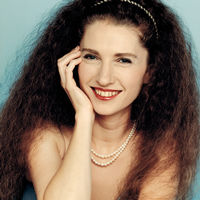
Elizabeth Anderson
harpsichord
Elizabeth Anderson has performed on eleven international concert tours to Europe, Japan and Singapore, and is a regular guest lecturer and performer at universities and music schools throughout Australia.
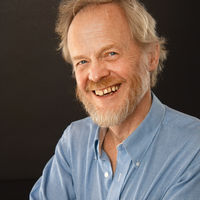
Douglas Lawrence
organ
Melbourne organist Douglas Lawrence is Director of Music at The Scots' Church and Teacher of the Organ at the University of Melbourne. He founded the Choir of Ormond College and directed it from 1982 to 2006.
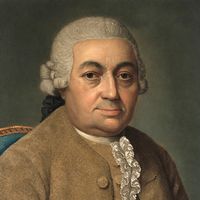
Carl Philipp Emanuel Bach
composer
Carl Philipp Emanuel Bach (1714–1788) was a German composer and keyboard musician of the late Baroque and early Classical eras. A principal voice of the empfindsamer Stil, he helped found the expressive Classical style.
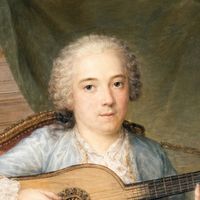
Claude-Bénigne Balbastre
composer
Claude Balbastre wrote flamboyant French harpsichord character pieces and Noëls that thrived in Parisian salons and on the organ: portrait pieces full of colour, dance rhythm and courtly swagger, still vivid when the keys rattle and the stops open.
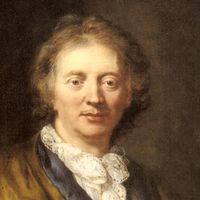
François Couperin
composer
François Couperin (1668–1733) was a French Baroque composer, organist and harpsichordist, known as Couperin le Grand. Organist to Louis XIV and to Saint-Gervais in Paris, he remains the supreme French master of the harpsichord.
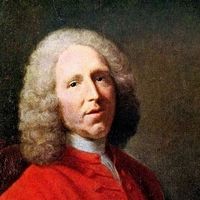
Jean-Philippe Rameau
composer
Rameau's harpsichord writing is theatre for the fingers: character pieces that cluck and whirl, doubles that spin a gavotte into pure virtuosity, and Pièces de clavecin en concerts where the keyboard stands equal with violin and flute rather than trailing as continuo.
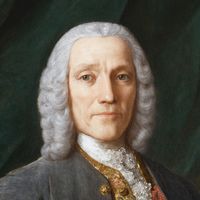
Domenico Scarlatti
composer
Domenico Scarlatti (1685–1757) was an Italian composer who spent much of his career at the Portuguese and Spanish courts. He is known almost exclusively for his 555 keyboard sonatas.
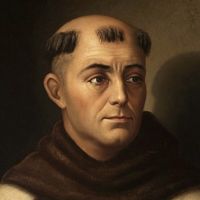
Antonio Soler
composer
Antonio Soler (1729–83) was choirmaster and monk at El Escorial, composing keyboard sonatas, organ concertos, and church music for the monastery and royal court.
Digital booklet
Digital booklet Notes, texts and credits — read online or download the PDF Download the PDFPerformers
- Elizabeth Anderson · harpsichord
- Douglas Lawrence · organ · tracks 1, 2, 6 and 7
Technical credits
-
Contributor
Elizabeth Anderson
-
Recording Engineer
Martin Wright
-
Editing Engineer
Martin Wright
-
Venue
Dining Hall Ormond College
-
Thanks to
Creative Australia
Details
- List price
- $25.00 AUD
- Total playing time
- 58 minutes 11 seconds
- Release date
- 1989
- Categories
- Baroque, Keyboard
- Genre
- Baroque
- Musical work copyright
- © 1989 Move Records
- Sound recording copyright
- ℗ 1989 Move Records
- Catalogue
- MD 3078
- EAN
- 9314574307825
More to explore
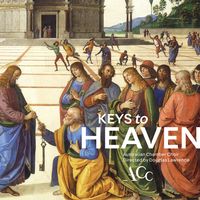
Keys to Heaven
The Australian Chamber Choir opens with the first recording of Agata della Pietà’s cantata Ecce nunc, written in eighteenth-century Venice by an orphan of the Ospedale della Pietà and reconstructed by Elizabeth Anderson. Sacred works by Palestrina and Allegri complete the programme.
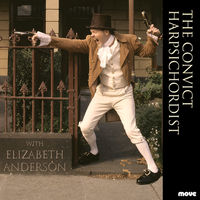
The Convict Harpsichordist
John Grant, frustrated in love, shot a London lawyer in the buttock and was sentenced to death at the Old Bailey. Granted a reprieve, he reached Sydney Cove in 1804 with Australia’s first harpsichord. What music did he play? Elizabeth Anderson answers on the instrument he brought.
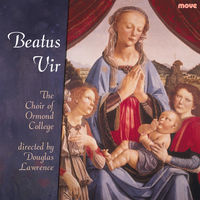
Beatus Vir
Recorded live on their 1999 European tour, the Choir of Ormond College under Douglas Lawrence presents small-scale sacred works in up to eight parts by Palestrina, Gesualdo, Handl, Gabrieli, Monteverdi, Stanford and Rheinberger.
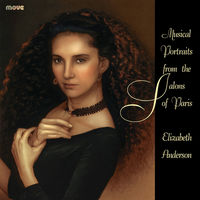
Musical Portraits from the Salons of Paris
Harpsichordist Elizabeth Anderson recreates a salon concert from pre-revolutionary Paris. Grand, lively ‘character pieces’ by Forqueray, Duphly and Balbastre — musical portraits of celebrated figures — are brought to life with deft, accomplished playing.
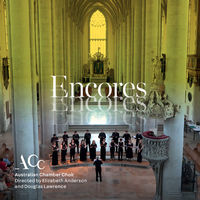
Encores
Directed by Douglas Lawrence, the Australian Chamber Choir gathers favoured concert encores in a programme that shows the ensemble at its most immediate and engaging.
Gold
The Australian Chamber Choir, directed by Douglas Lawrence, performs works by eight Australian composers. From Gordon Kerry’s Shakespeare setting to Malcolm Williamson’s English Eccentrics, the programme turns individual voices into pure gold.