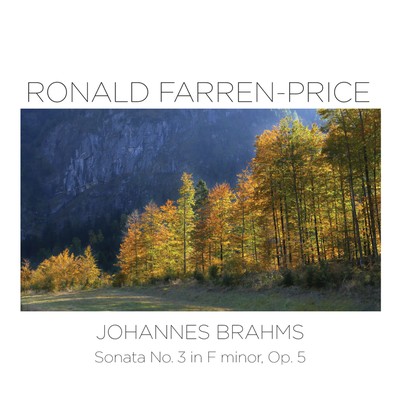
Listen & tracks
3 of 5 tracks have a preview · 1 work · 41:39
-
Sonata No. 3 in F minor, Op. 5Johannes Brahms 5 movements41:39
- 1 Allegro maestoso (F minor) 10:48
- 2 Andante espressivo (A-flat major) 11:42
- 3 Scherzo. Allegro energico (F minor) – Trio (D-flat major) 5:43
- 4 Intermezzo. Andante molto (B-flat minor) 4:12
- 5 Finale. Allegro moderato ma rubato (F minor) 9:14
Brahms' Sonata No. 3 in F minor, Op. 5 stands among the great pillars of the Romantic piano repertoire. In Ronald Farren-Price's hands it becomes a searching, deeply felt account: sensitive to line and colour, yet equal to the score's demands of stamina and scale.
His reading draws out the work's full emotional depth without losing structural clarity. For listeners who value classical piano playing of real conviction, this is a recording that rewards close attention.
In the artist’s words
To have completed his third sonata and to bade farewell to this form at the age of only twenty, placed Brahms in a unique niche in musical history. More particularly is this so when the work is endowed with such colossal proportions as well as an enormous range of expression. 1853 was also the year of Liszt's unique contribution to this form. One could not imagine two more radically different constructions than both these edifices.
The first subject of the first movement is on such a grandiose scale that the resources of the instrument seem driven to their absolute limits. Indeed the precipitous mood of the orchestral opening of the D minor concerto is foreshadowed in this movement.
There are few passages in the piano literature of the 19th century that make greater demands on the stamina of the pianist than the explosive octave passages opening the development section.
The slow movement is sub-titled with these words:
Der Abend dämmert, das Mondlicht scheint,
Da sind zwei Herzen in Liebe vereint
Und halten sich selig umfangen. – Sternau
(Dusk falls, the moonlight shines,
There are two hearts in love entwined
Holding each other in blissful embrace.)
In this love song Brahms expresses such intimacy and beauty, that one has to continually remind oneself of the extraordinary fact that it is the fruits of a mere twenty years experience of life. The climax of the movement is indeed profoundly moving.
After the richly diatonic strains of the Andante the Scherzo is chromatically whimsical and brilliant, in contrast to the hymn-like harmonies of the Trio.
An ominous note is sounded in the Intermezzo – Brahms sub-titles this “Rückblick” (in retrospect). The triplet drum motif has portentous overtones, seeming to dissipate the serenity and happiness of the Andante from which the falling thirds of the theme is derived.
This monumental sonata is brought to a close with an energetic Rondo (ABACAD), the second episode of which is a chorale. Brahms embarks on two variations on the chorale each faster than the preceding section. The second one being the Coda is a veritable tour de force plummeting to the final chords: a plagal cadence as if to emphasise the religious overtones of the chorale.
Reviews
... masterfully performed by Farren-Price. This is a rare opportunity to hear an incredible Australian pianist at work
Artists
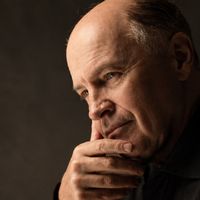
Ronald Farren-Price
piano
Ronald Farren-Price is an Australian concert pianist of rare artistry, sensitivity and virtuosity. Clarity of expression and firmness of touch are the hallmarks of his style, which brings bold nobility to each performance.
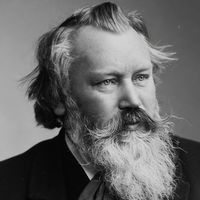
Johannes Brahms
composer
Johannes Brahms (1833–1897) was a German composer and pianist of the Romantic period. His music for piano, chamber ensemble, orchestra, and voice remains central to the concert repertoire.
Digital booklet
Digital booklet Notes, texts and credits — read online or download the PDF Download the PDFPerformers
- Ronald Farren-Price · piano
Details
- List price
- $20.00 AUD
- Total playing time
- 41 minutes 39 seconds
- Release date
- Mar 2018
- Category
- Classical
- Musical work copyright
- © 2018 Move Records
- Sound recording copyright
- ℗ 2018 Move Records
- Catalogue
- MD 3432
- EAN
- 9314574343229
More to explore
Franz Schubert: Sonata No. 20 in A Major, D. 959
Australian pianist Ronald Farren-Price brings intimacy and power to Schubert’s late Sonata No. 20 in A major, D. 959, balancing virtuosity with a deep feeling for the work’s melodic beauty and shifting moods.
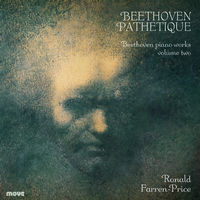
Beethoven Pathetique
On the second volume of his Beethoven piano sonatas, Ronald Farren-Price tackles the famous Pathétique Sonata, the G major Sonata (Op. 14 No. 2), two Rondos and the beautiful late-period A-flat sonata, Op. 110.
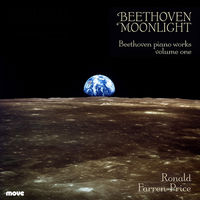
Beethoven Moonlight
You may have been fortunate enough to hear pianist Ronald Farren-Price performing Beethoven in past years. Over seven years in the making, he has completed his long-awaited recording of selected, much-loved Beethoven piano works. This first album in the two-volume set opens the survey.
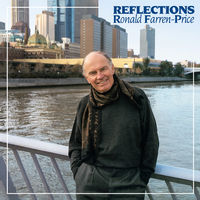
Reflections
Internationally acclaimed pianist Ronald Farren-Price offers superb performances of some of the greatest music written for the piano, in a wide-ranging recital of favourite short works.
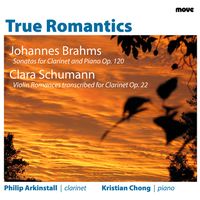
True Romantics
In True Romantics, clarinettist Philip Arkinstall and pianist Kristian Chong bring lyrical warmth to Brahms’s Clarinet Sonatas, Op. 120, and Clara Schumann’s Three Romances, Op. 22, here in Roger Young’s clarinet transcription.
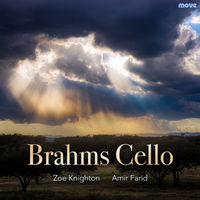
Brahms Cello
Zoe Knighton and Amir Farid present their seventh cello–piano collaboration, turning to Johannes Brahms. The programme pairs his two cello sonatas with three songs in which the cello takes the vocal line wordlessly.