Miguel de Fuenllana
Miguel de Fuenllana (c.1500–1579) was a Spanish Renaissance vihuelist and composer, blind from birth. His Seville publication of 1554, Orphénica Lyra, remains a cornerstone of the vihuela repertoire.
The six books of Orphénica Lyra gather his own fantasias with intabulations of vocal polyphony, the sung line marked in red cipher against the black tablature for the vihuela. He favoured the voice with vihuela over solo display, and found apt counterpoint for popular melodies such as De los álamos vengo, madre and De Antequera sale el moro.
That repertory is heard on Move in Spanish Renaissance programmes, among them the vihuela recital The Echo of Opheus (MD 3089) and ensemble collections of love lyrics, romances and court song including Love Lyrics and Romances of Renaissance Spain (MD 3034) and Music of the Spanish Renaissance (MD 3225).
Compositions by Miguel de Fuenllana appear on
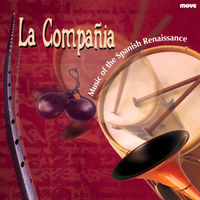
Music of the Spanish Renaissance
La Compañia's first CD gathers seventeen Spanish Renaissance works on period instruments with soprano Vivien Hamilton, including cues heard in the film Elizabeth but omitted from its commercial soundtrack.
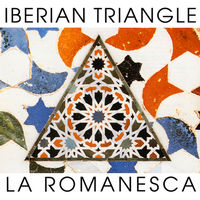
Iberian Triangle
La Romanesca presents a portrait of the musical diversity of Spanish song in the years just before the great expulsion and Columbus's voyages: music of Christian, Moorish and Jewish Spain before 1492.
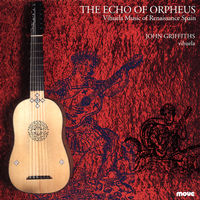
The Echo of Opheus
Vihuela music of Renaissance Spain. On vihuela, the ‘Spanish lute’, John Griffiths offers an intimate programme of fantasies, variations, intabulations and dances by the great sixteenth-century Spanish masters, framed by the Orpheus legend.
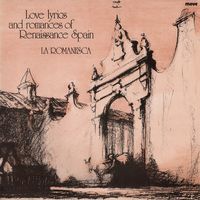
Love Lyrics and Romances of Renaissance Spain
This is the first recording by the early music group La Romanesca, devoted to Spanish villancicos and romances of the Renaissance.