Classical composers
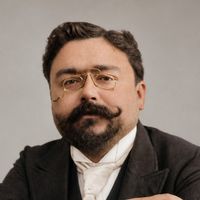
Isaac Albéniz
Isaac Albéniz (1860–1909) was a Spanish pianist and composer whose piano music, steeped in folk idioms, helped give Spanish art music a distinctive national voice.
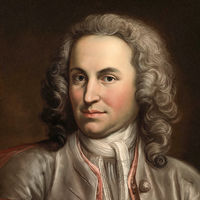
Johann Sebastian Bach
Johann Sebastian Bach (1685–1750) was a German composer and organist of the late Baroque. His sacred and secular music for choir, orchestra, organ and solo instruments remains among the foundations of the Western concert and church repertory.
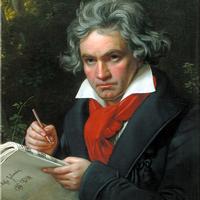
Ludwig van Beethoven
Ludwig van Beethoven (1770–1827) was a German composer and pianist whose music stands at the centre of the Western classical tradition, bridging the Classical and Romantic eras.
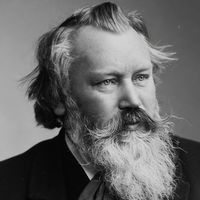
Johannes Brahms
Johannes Brahms (1833–1897) was a German composer and pianist of the Romantic period. His music for piano, chamber ensemble, orchestra, and voice remains central to the concert repertoire.
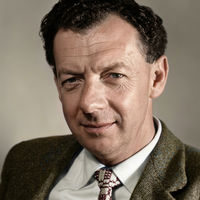
Benjamin Britten
Edward Benjamin Britten (1913–1976) was an English composer, conductor and pianist. His operas are firmly established in the international repertoire, and more of them are played worldwide than those of any other composer born in the twentieth century.
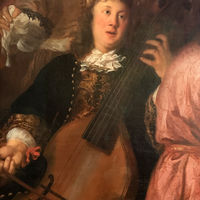
Dieterich Buxtehude
Dieterich Buxtehude (c. 1637–1707) was a Danish-born organist and composer of the middle Baroque, long based at Lübeck. His organ works remain central to the standard repertoire.
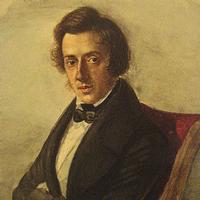
Frédéric Chopin
Frédéric Chopin (1810–1849) was a Polish composer and virtuoso pianist of the early Romantic period. He wrote almost exclusively for the piano and remains one of its defining poetic voices.

Arcangelo Corelli
Arcangelo Corelli (1653–1713) was an Italian Baroque violinist and composer. His sonatas and concerti grossi helped establish the violin’s pre-eminence and fixed models of the sonata and concerto that spread across Europe.
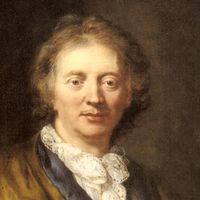
François Couperin
François Couperin (1668–1733) was a French Baroque composer, organist and harpsichordist, known as Couperin le Grand. Organist to Louis XIV and to Saint-Gervais in Paris, he remains the supreme French master of the harpsichord.
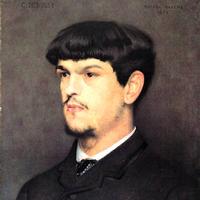
Claude Debussy
Claude Debussy (1862–1918) was a French composer whose harmony, colour and flexible sense of key reshaped European music at the turn of the twentieth century. Piano, orchestral and chamber works from his maturity remain central to the repertoire.
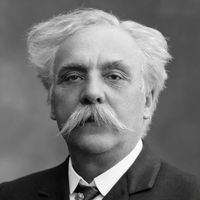
Gabriel Fauré
Gabriel Fauré (1845–1924) was a French composer, pianist, organist and teacher whose music links late Romanticism with early modernism. His best-known works include the Requiem, the Pavane, and a large body of songs and piano music.
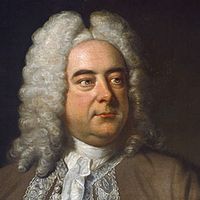
George Frideric Handel
George Frideric Handel (1685–1759) was a German-born Baroque composer who settled in London and became a naturalised British subject. He is celebrated for his operas, English oratorios, organ concertos and orchestral works.
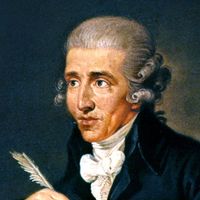
Franz Joseph Haydn
Franz Joseph Haydn (1732–1809) was an Austrian composer of the Classical period, central to the making of the symphony, the string quartet and the piano trio. A vast body of chamber, orchestral and sacred music from his long career shaped the language of his age.
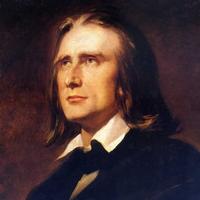
Franz Liszt
Franz Liszt (1811–1886) was a Hungarian composer, virtuoso pianist, conductor and teacher of the Romantic era. His vast output reshaped piano technique, invented the symphonic poem and pushed harmony toward the twentieth century.
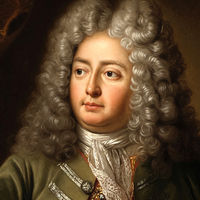
Marin Marais
Marin Marais (1656–1728) was a French composer and master of the viola da gamba. His five books of Pièces de viole remain the summit of the French baroque viol repertoire.
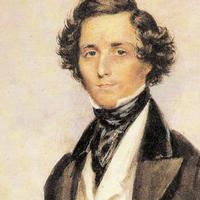
Felix Mendelssohn
Jakob Ludwig Felix Mendelssohn Bartholdy (1809–1847) was a German composer, pianist, organist and conductor of the early Romantic period. His works include symphonies, concertos, oratorios, piano music and chamber music.
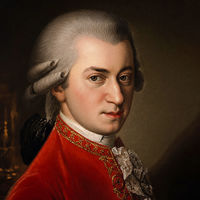
Wolfgang Amadeus Mozart
Wolfgang Amadeus Mozart was a prolific and influential composer of the Classical era. He wrote over 600 works, many of them pinnacles of symphonic, concertante, chamber, piano, operatic and choral music, and remains among the most enduringly popular of classical composers.
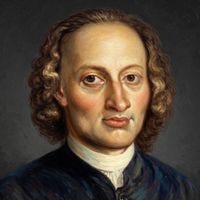
Johann Pachelbel
Johann Pachelbel (1653–1706) was a German Baroque composer, organist and teacher who brought the south German organ tradition to its peak. His chorale preludes, fugues and keyboard variations place him among the central figures of the middle Baroque.
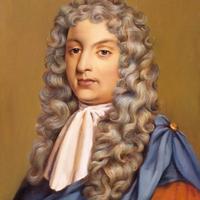
Henry Purcell
Henry Purcell (c. 1659–1695) was an English organist and composer of the middle Baroque. His sacred music, theatre songs, instrumental works and the opera Dido and Aeneas shaped a distinctly English Baroque style.
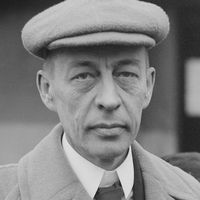
Sergei Rachmaninoff
Sergei Vasilievich Rachmaninoff (1873–1943) was a Russian composer, pianist and conductor, widely considered one of the finest pianists of his day and, as a composer, one of the last great representatives of Romanticism in Russian classical music.
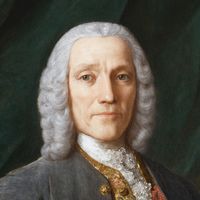
Domenico Scarlatti
Domenico Scarlatti (1685–1757) was an Italian composer who spent much of his career at the Portuguese and Spanish courts. He is known almost exclusively for his 555 keyboard sonatas.
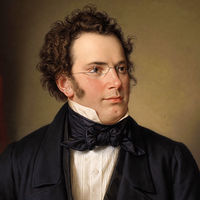
Franz Schubert
Franz Schubert (1797–1828) was an Austrian composer of the late Classical and early Romantic eras. In only thirty-one years he left a vast body of work, including over six hundred Lieder, and remains among the most frequently performed composers.
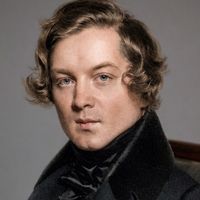
Robert Schumann
Robert Schumann (1810–1856) was a German composer and music critic of the early Romantic era. His piano works and songs remain among the most enduring of the period.
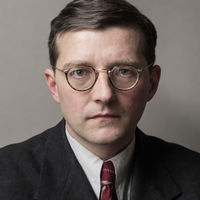
Dmitri Shostakovich
Dmitri Dmitriyevich Shostakovich (25 September 1906 – 9 August 1975) was a Soviet Russian composer and one of the most celebrated of the twentieth century, whose symphonies, chamber works and piano music remain central to the repertoire.
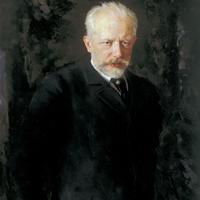
Pyotr Ilyich Tchaikovsky
Pyotr Ilyich Tchaikovsky (1840–1893) was a Russian composer of the Romantic era. His ballets, concertos and orchestral works remain among the most widely performed music in the classical repertoire.
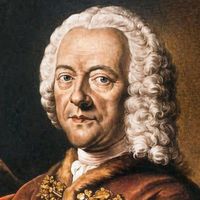
Georg Philipp Telemann
Georg Philipp Telemann (1681–1767) was a German Baroque composer and multi-instrumentalist. Almost completely self-taught, he became a composer against his family's wishes and ranked among the leading German musicians of his age.
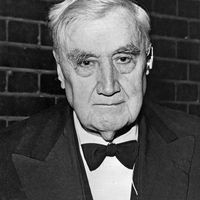
Ralph Vaughan Williams
Ralph Vaughan Williams (1872–1958) was an English composer of nine symphonies, operas, ballets, and a large body of choral and vocal music. Drawing on Tudor polyphony and English folk-song, he helped free British music from its nineteenth-century German models.
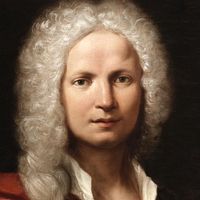
Antonio Vivaldi
Antonio Vivaldi (1678–1741) was an Italian Baroque composer, priest and virtuoso violinist. He is best known for his instrumental concertos, above all the violin cycle The Four Seasons.