Listen & tracks
4 of 16 tracks have a preview · 16 works · 52:55
-
1 Entr'acte Jacques Ibert 3:12
-
2 The Fog is Lifting Carl Nielsen 1:55
-
3 Sicilienne Maria Theresia von Paradis 3:08
-
4 Suite de Trois Morceaux Benjamin Godard Allegretto 1:58
-
5 Tango-Etudes, No. 3 Astor Piazzolla 3:57
-
6 Nutcracker Suite Pyotr Ilyich Tchaikovsky Arab Dance 2:48
-
7 Carmen Georges Bizet Entr'acte to Act 3 2:29
-
8 Mists of Islay I Colin Brumby 1:57
-
9 Mists of Islay II Colin Brumby 2:08
-
10 Mists of Islay III Colin Brumby 1:33
-
11 Largo from Sonata in F major, TWV 41:5 Georg Philipp Telemann 1:58
-
12 Orpheus and Euridice Christoph Willibald Gluck Dance of the Blessed Spirits 6:41
-
13 Greensleeves Anonymous 5:05
-
14 Berceuse, Op. 16 Gabriel Fauré 3:28
-
15 Quiet Evening John Carmichael 3:14
-
16 Phantasy on Themes of Japanese Folk Songs Josef Molnar 7:24
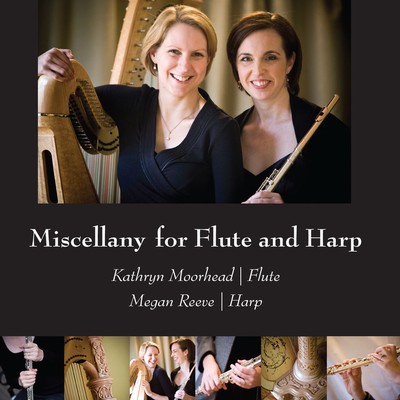
Miscellany for Flute and Harp draws on a broad range of historical and contemporary repertoire for this perennial duo. Kathryn Moorhead and Megan Reeve, founders of the Miscellany Ensemble, come together here for their long-awaited debut recording.
They have chosen a wide variety of music, from the well-known to the recently discovered. Classical favourites such as the Arab Dance from the Nutcracker Suite, Gluck’s Dance of the Blessed Spirits and the Entr’acte from Carmen sit alongside contemporary Australian works by Colin Brumby and John Carmichael. Folk material is explored in variations on Greensleeves and in Josef Molnar’s Phantasy on Themes of Japanese Folk Songs, which pushes both instruments to their limits.
A true miscellany for flute and harp.
Artists
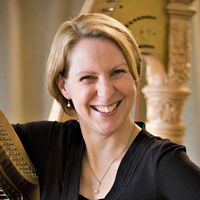
Megan Reeve
harp
Megan Reeve has performed professionally on the harp for over twenty years. She holds degrees from the University of Melbourne, the Victorian College of the Arts, and Cardiff University, Wales, spanning performance and music’s place in culture and politics.
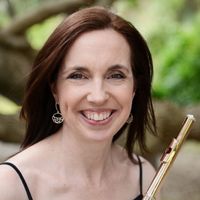
Kathryn Moorhead
flute
Kathryn Moorhead is an Australian flautist based in Adelaide, where she teaches flute at the University of Adelaide’s Elder Conservatorium of Music and the Open Music Academy, and freelances as an orchestral and chamber musician.
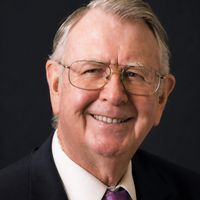
Colin Brumby
composer
Colin Brumby (1933–2018) was an Australian composer and conductor whose prolific catalogue ranges across opera, concertos, chamber music, choral works and songs.
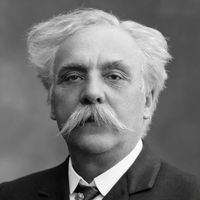
Gabriel Fauré
composer
Gabriel Fauré (1845–1924) was a French composer, pianist, organist and teacher whose music links late Romanticism with early modernism. His best-known works include the Requiem, the Pavane, and a large body of songs and piano music.
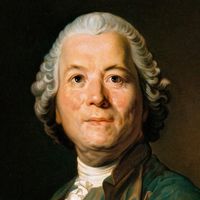
Christoph Willibald Gluck
composer
Christoph Willibald Gluck stripped opera of empty display and put drama first. His reform works, from Orfeo ed Euridice to Iphigénie en Tauride, fuse Italian melody with French theatrical force in music of noble simplicity and human passion.
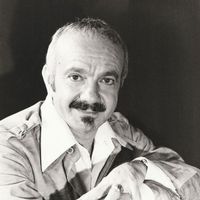
Astor Piazzolla
composer
Astor Piazzolla turned the tango into something sharper, more restless and chamber-like. His nuevo tango draws jazz harmony and classical counterpoint into the dance without blunting its edge.
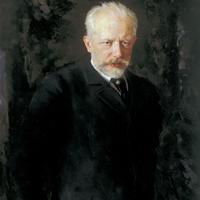
Pyotr Ilyich Tchaikovsky
composer
Pyotr Ilyich Tchaikovsky (1840–1893) was a Russian composer of the Romantic era. His ballets, concertos and orchestral works remain among the most widely performed music in the classical repertoire.
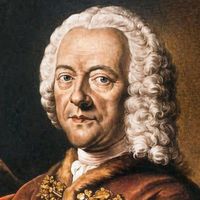
Georg Philipp Telemann
composer
Georg Philipp Telemann (1681–1767) was a German Baroque composer and multi-instrumentalist. Almost completely self-taught, he became a composer against his family's wishes and ranked among the leading German musicians of his age.

Georges Bizet
composer
Georges Bizet wrote French Romantic opera that still lives through melody and theatrical colour. Carmen’s street energy and fatal passion, and the lyric duets of Les pêcheurs de perles, are the scores most often heard today.
John Carmichael
composer
John Carmichael writes melodic, neo-Romantic music coloured by Spanish folk idiom and French influence. The piano sits at the centre of his catalogue, which also reaches concertos and chamber works for winds.
Benjamin Godard
composer
Benjamin Godard wrote Romantic operas, songs and chamber music in a lyrical vein close to Mendelssohn and Schumann. The Berceuse from his opera Jocelyn remains his best-known piece, and his smaller works travel easily to flute, harp and the salon.
Jacques Ibert
composer
Ibert's scores favour clarity, colour and a light touch. His chamber miniatures, including the well-loved Entr'acte, bring French wit and classical poise to flute, harp, guitar and solo cello.
Josef Molnar
composer
Carl Nielsen
composer
Carl Nielsen’s music moves with rhythmic drive and clear, singing lines that keep shifting key underfoot. From the youthful Violin Sonata to spare organ preludes and the folk-tinged miniatures of The Mother, the writing feels vital, open-air and unmistakably his.
Maria Theresia von Paradis
composer
The Sicilienne long ascribed to Maria Theresia von Paradis remains a quiet fixture of the violin encore repertoire: a cantabile salon piece that, in the familiar Dushkin arrangement, asks for charm, purity of tone and unforced elegance.
Digital booklet
Digital booklet Notes, texts and credits — read online or download the PDF Download the PDFPerformers
- Megan Reeve · harp · all except track 5
- Kathryn Moorhead · flute · all except tracks 8–10
Technical credits
-
Recording Engineer
Jack Setton
-
Editing Engineer
Vaughan McAlley
-
Mixing Engineer
Vaughan McAlley
-
Venue
Mad Cat Sound
-
Photography
Alison Sharma
Details
- List price
- $25.00 AUD
- Total playing time
- 52 minutes 55 seconds
- Release date
- May 2013
- Category
- Classical
- Musical work copyright
- © 2013 Kathryn Moorhead and Megan Reeve
- Sound recording copyright
- ℗ 2013 Move Records
- Catalogue
- MCD 447
- EAN
- 9314574044720
More to explore
Shifting Landscapes
Shifting Landscapes is Australian flautist Kathryn Moorhead’s survey of the flute’s contemporary sound world, gathering works that push the instrument past its familiar range through extended technique, colour, and texture.
The Night Sky Glory: Songs and Choral Works by Lachlan Brown
Vocal works by Lachlan Brown: songs on poems by Victor Hugo, Heinrich Heine and Rainer Maria Rilke, with wordless vocalises and choral meditations for multi-tracked voices.
Lachlan Brown Chamber Works
Lachlan Brown’s Chamber Works offers an hour of beautiful, relaxing music for his favourite instruments and ensembles: piano, harp, organ, violin, cello and string quartet.
Flowers Still Bloom
Guitarist–composer Michelle Nelson presents original works for solo guitar and concert ukulele, with harp and recorder duos, crowned by the eight-movement Isolation Suite written in Melbourne’s first Covid lockdown.
Christmas Variations
Harpist Megan Reeve gathers Christmas music in theme and variation: familiar carols, a French Noël, Britten, Bach–Gounod, and an Australian lullaby, with flute on two tracks.
Automne: Changing Colours of Harp Music
From classical to folk, from sweeping glissandi to the strikingly contemporary, the range and diversity of the harp always entrances and amazes.