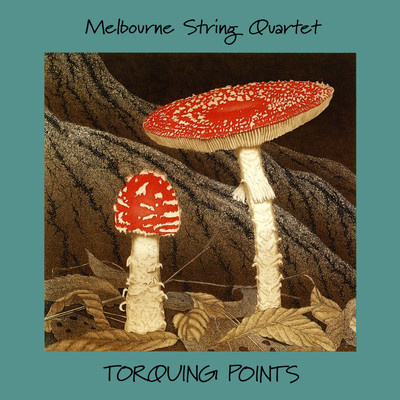
Listen & tracks
1 of 8 tracks have a preview · 7 works · 66:22
-
1 String Quartet No. 2 in D Alexander Borodin Nocturne 7:52
-
2 String Quartet No. 9 Peter Sculthorpe 12:36
-
3 Italian Serenade Hugo Wolf 6:59
-
Torquing Points for String QuartetGordon Kerry 2 movements10:28
- 4 1st movement 5:16
- 5 2nd movement 5:12
-
6 String Quartet Movement in C Minor, D. 703 Franz Schubert Quartettsatz 8:55
-
7 The Quick or the Dead Mark Pollard 12:51
-
8 String Quartet No. 1 in D major, Op. 11 Pyotr Ilyich Tchaikovsky Andante Cantabile 6:41
Includes the Nocturne from String Quartet no. 2 in D (Borodin), String Quartet no. 9 (Sculthorpe), Italian Serenade (Hugo Wolf), Quartettsatz from the String Quartet movement in C minor, D. 703 (Schubert), and Andante cantabile from String Quartet no. 1 in D major, op. 11 (Tchaikovsky).
The Melbourne String Quartet pairs those 19th-century movements with three Australian works from the 1970s and 1990s: Sculthorpe's String Quartet No. 9, Kerry's two-movement Torquing Points, and Pollard's The Quick or the Dead. The programme was recorded digitally at Move Records Studio in April 1994.
Reviews
More unexpected is the delicious, European-drawing-room sound that Move's engineers have given to this CD.
I hardly need say that the Melbourne String Quartet plays these pieces superbly well.
Artists
Melbourne String Quartet
ensemble
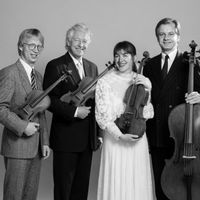
The Melbourne String Quartet has appeared in various guises over the years. One group formed in 1973 and another in 1994.
Alexander Borodin
composer
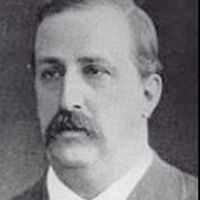
Alexander Borodin's Nocturne from the String Quartet No. 2 in D is pure lyric warmth: long-breathed melody and glowing harmonic colour that sit easily beside Schubert and Tchaikovsky.
Gordon Kerry
composer
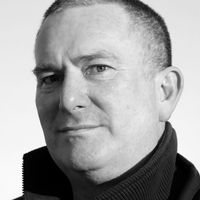
Gordon Kerry's music ranges from the symphonic through chamber music to choral music and opera. Australian orchestras, chamber ensembles, festivals and soloists commission him regularly, as do ensembles in the USA and Europe.
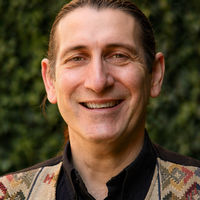
Mark Pollard
composer
Australian composer Mark Clement Pollard has an eclectic style that draws on improvisation, jazz, pop, minimalism and the indigenous musics of South-East Asia.
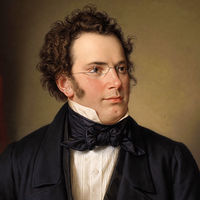
Franz Schubert
composer
Franz Schubert (1797–1828) was an Austrian composer of the late Classical and early Romantic eras. In only thirty-one years he left a vast body of work, including over six hundred Lieder, and remains among the most frequently performed composers.
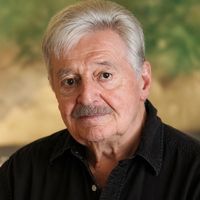
Peter Sculthorpe
composer
Peter Sculthorpe (1929–2014) was a Tasmanian-born composer whose orchestral and chamber music drew the Australian landscape, neighbouring Asian traditions and Indigenous materials into a clear, personal language. He wrote extensively for strings, piano and voice.
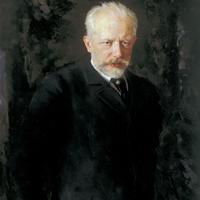
Pyotr Ilyich Tchaikovsky
composer
Pyotr Ilyich Tchaikovsky (1840–1893) was a Russian composer of the Romantic era. His ballets, concertos and orchestral works remain among the most widely performed music in the classical repertoire.
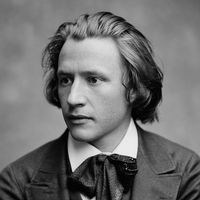
Hugo Wolf
composer
Hugo Wolf (1860–1903) was an Austrian composer, celebrated above all for his intensely expressive art songs, or Lieder, and for chamber works such as the Italian Serenade.
Digital booklet
Digital booklet Notes, texts and credits — read online or download the PDF Download the PDFPerformers
- Melbourne String Quartet · ensemble
- Carl Pini · violin
- Gerard van der Weide · violin
- Jane Hazelwood · viola
- Arturs Ezergailis · cello
Technical credits
-
Recording Engineer
Martin Wright
-
Venue
Move Records Studio
-
Cartoon
Phil Scamp
-
Front cover
Chris van Otterloo
-
Photography
Ron Layton
-
Program notes
Musica Viva
Details
- List price
- $25.00 AUD
- Total playing time
- 66 minutes 22 seconds
- Release date
- 1994
- Categories
- Australian, Classical
- Musical work copyright
- © 1994 Move Records
- Sound recording copyright
- ℗ 1994 Move Records
- Catalogue
- MD 3143
- EAN
- 9314574314328
More to explore
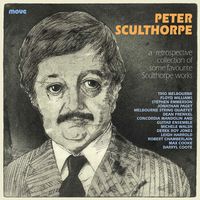
Peter Sculthorpe
A retrospective compilation of favourite chamber works by the late Peter Sculthorpe, drawn from Move’s own catalogue. Torres Strait song, Kakadu landscapes and intimate string writing are heard in performances by leading Australian musicians.
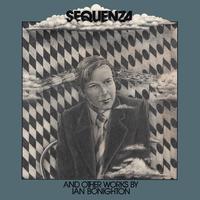
Sequenza and Other Works by Ian Bonighton
Ian Bonighton’s death at 33 in 1975 cut short one of the most distinctive young voices in Australian composition. This remastered survey gathers his music for choir and organ with tape, percussion, string quartet, solo horn and piano.
Gold
The Australian Chamber Choir, directed by Douglas Lawrence, performs works by eight Australian composers. From Gordon Kerry’s Shakespeare setting to Malcolm Williamson’s English Eccentrics, the programme turns individual voices into pure gold.
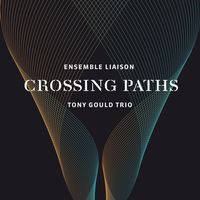
Crossing Paths
Ensemble Liaison and the Tony Gould Trio take turns across the programme: each piece is heard first in a scored reading, then in an improvised jazz response that opens the same melodic and harmonic material to fresh colour.
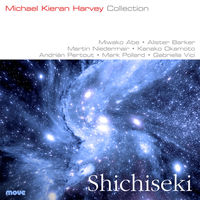
Shichiseki
Collaborations with violinist Miwako Abe and cellist Alister Barker sit beside solos written for Michael Kieran Harvey by Gabriella Vici and Andrián Pertout, spanning Japanese, Latin American and South Indian influences.
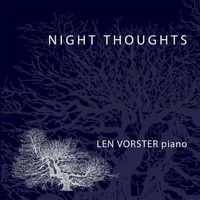
Night Thoughts
During the long still nights of Melbourne’s Covid lockdowns, pianist Len Vorster listened widely and thought hard about what he heard. Those evening ruminations became this programme of fifteen nocturnes and night pieces, from Schumann’s circle to Copland.