Listen & tracks
14 of 23 tracks have a preview · 14 works · 61:51
-
1 You'd Be So Nice To Come Home To Cole Porter 3:25
-
2 The Very Thought Of You Ray Noble 4:48
-
3 L-O-V-E Bert Kaempfert 3:57
-
4 Don't Explain Billie Holiday 5:36
-
5 Changeable Day Emma Sidney 4:47
-
6 Blues For Breakfast Matt Dennis 3:48
-
7 Lament Emma Sidney 7:07
-
8 A Day In The Life Of A Fool (Black Orpheus) Carl Sigman 4:13
-
9 Solitude Duke Ellington 3:46
-
10 Nature Boy Eden Ahbez 5:06
-
11 Almost Like Being In Love Frederick Loewe 3:37
-
12 Love Rhapsody Emma Sidney 3:11
-
13 It's A Sin To Tell A Lie Billy Mayhew 2:56
-
14 And I Love Him John Lennon 5:34
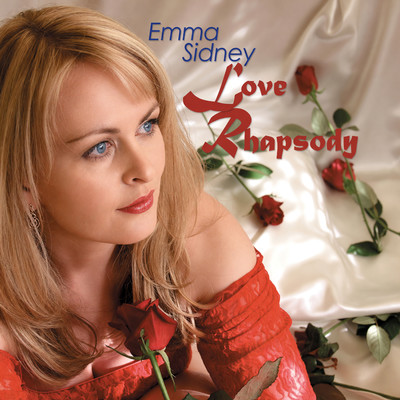
Listening to this CD is a treat for the ears. Lush, organic sounds from an ‘all in’ approach give an unusually live feel for a studio album. The quintet and sextet numbers are vibrant with good humour, while the trio and quartet tracks let the vocal shine through – intimate and honest. From the first track You'd be so nice to come home to, swing is alive and this singer has it. Emma's Latin vibe rings true, and any ballad can be a perfect moment – such as Blues for Breakfast, where the vocal pulls at the heart strings, with moments of absolute destitution.
In a world where new vocal jazz composition is rare, Emma has added three beautiful originals (Lament, Changeable Day and Love Rhapsody), bringing new life to the blues and Latin genres. Notable brilliance comes on Lament, Don't Explain and Solitude.
Love Rhapsody is an inspired look by a musician confident to cross styles with a willing sense of experimentation. It has the appeal of the familiar while leading you into unexpected places. As a debut, Love Rhapsody holds shining moments and much promise for the future.
Reviews
Emma has a nice easy style, whether swinging the standards or interpreting a slow ballad ... a fine effort from all concerned and I'm sure this will be the first of many CDs...
assured projection and exacting pitch ... immersing herself in the emotions suggested by the song.
Absolutely beautiful! So well done ... the arrangements, production, and [her] voice is great!!
Artists
Emma Sidney
vocals
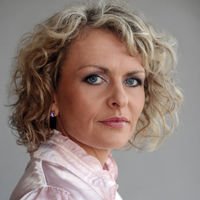
Emma Sidney is a Melbourne jazz vocalist who has performed classical, opera, musical theatre and jazz since 1988. From 1999 she has worked full time as a bandleader, private teacher and performer in Australia and overseas.
Luiz Bonfá
composer
Luiz Bonfá wrote the melodies that still define Black Orpheus, above all Manhã de Carnaval, and forged a bold, lyrical Brazilian guitar voice that bridged samba-canção and bossa nova.
Duke Ellington
composer
Duke Ellington wrote jazz that slips past easy labels: three-minute standards thick with colour, growl and hush, and longer suites built for the voices of a big band. His orchestra was the instrument; the songs still own the night.
John Lennon
composer
John Lennon's songs cut through styles and decades with plainspoken hooks and melodies that refuse to age. From Beatles classics to the solo anthem Imagine, his writing keeps finding new voices in jazz rooms, a cappella circles and the concert hall.
Frederick Loewe
composer
Frederick Loewe (1901–1988) was an Austrian-American composer of Broadway musical theatre. His scores for My Fair Lady and Camelot became lasting standards and were both filmed.
Paul McCartney
composer
Paul McCartney's songs travel far beyond their rock origins. Melodic, singable and built for reinvention, they turn up here in jazz sets, a cappella harmony, intimate guitar ballads and even harpsichord with drums and bass.
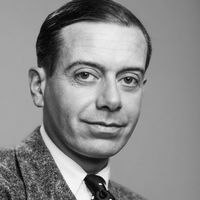
Cole Porter
composer
Cole Porter wrote both the tunes and the words: urbane, sharp-edged songs built for the stage and still at home in the jazz room. From Night and Day to You're the Top, I Get a Kick Out of You and I Concentrate on You, his catalogue keeps singers circling back.

Eden Ahbez
composer
Eddie DeLange
composer
Eddie DeLange wrote the lyrics that give shape to lasting American standards. His words ride under Ellington's Solitude and Van Heusen's Darn That Dream, songs still sought for their mix of longing and swing-era ease.
Matt Dennis
composer
Matt Dennis (1914–2002) was an American singer, pianist, bandleader, arranger and songwriter whose popular songs became lasting standards of the mid-twentieth century.
Milt Gabler
composer
Jerry Gladstone
songwriter
Arthur Herzog, Jr.
composer
Billie Holiday
composer
Billie Holiday shaped jazz and popular singing with a voice that phrased like a horn, bending tempo and melody around the lyric. Her own songs, among them Don't Explain and God Bless the Child, sit beside the standards she made indelible.
Bert Kaempfert
composer
Alan Jay Lerner
songwriter
The lyrics of Alan Jay Lerner, written chiefly with Frederick Loewe, shaped some of the most durable songs in musical theatre. My Fair Lady, Brigadoon, Camelot, Gigi and Paint Your Wagon still circulate as standards far beyond the stage.
Antônio Maria
composer
Antônio Maria wrote the lyrics that made Luiz Bonfá's Manhã de Carnaval a global standard. The song's carnival dawn of longing, later sung in English as A Day in the Life of a Fool, anchors Black Orpheus and endless jazz readings.
Billy Mayhew
composer
Irving Mills
composer
Irving Mills (1894–1985) was an American music publisher, lyricist and jazz promoter. He co-wrote lasting standards of the swing era and built one of the major popular-music publishing houses of the twentieth century.
Ray Noble
composer
Carl Sigman
composer
Carl Sigman wrote lyrics that turned melodies into lasting standards, from big-band swing to film themes. His words for It's All in the Game and A Day in the Life of a Fool still travel easily into jazz and popular song.
Performers
- Emma Sidney · vocals
- Todd Sidney · piano
- Leon Heale · double bass
- Dean Cooper · percussion
- Greg Clarkson · saxophone
- Ron Anderson · flute, saxophone
- Reg Walsh · trumpet
Details
- List price
- $25.00 AUD
- Total playing time
- 61 minutes 51 seconds
- Release date
- 1 Aug 2002
- Categories
- Australian, Jazz, Vocal
- Genres
- Jazz & Improvised, Vocal & Opera
- Musical work copyright
- © 2002 Emma Sidney
- Sound recording copyright
- ℗ 2002 Move Records
- Catalogue
- MCD 211
- EAN
- 9314574021127
More to explore
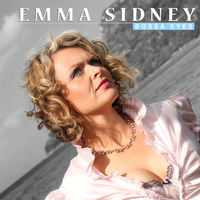
Bossa Eyes
Laid-back jazz vocals drift over bossa and samba grooves in a programme inspired by Antônio Carlos Jobim. Familiar standards sit beside originals on an acoustically open set that favours space, lyric and a gentle Latin pulse.
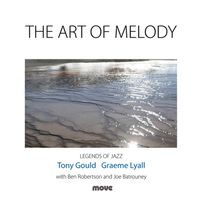
The Art of Melody
Jazz legends Tony Gould (piano) and Graeme Lyall (saxophone) offer superb readings of well-known standards, joined by Ben Robertson on double bass and Joe Batrouney on drums.
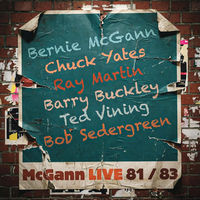
McGann LIVE 81 / 83
Live recordings of Australian alto saxophonist Bernie McGann from two celebrated concerts: three originals with Chuck Yates in Sydney in 1981, and standards with the Ted Vining Trio in Melbourne in 1983.

Seasons of Love
A jazz trio, string orchestra and guest soloists join vocalists Gian Slater and Eddie Perfect. Graeme Lyall’s rich arrangements refresh Great American Songbook standards and other stage and screen favourites.
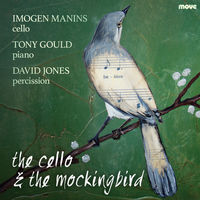
The Cello and the Mockingbird
Improvisations on beautiful melodies from cellist Imogen Manins with pianist Tony Gould and percussionist David Jones. Their second trio album gathers film themes, standards and original sketches, shaped in the studio through open improvisation.